When it comes to LTV flooring, what I understand is that LTV flooring is a new type of flooring material with many advantages. LTV stands for Luxury Vinyl Tile, which is a synthetic flooring material typically made from PVC and other composite materials. This type of flooring features surfaces that mimic different textures and colors like wood, stone, and ceramic tiles, making it highly popular in interior decoration.
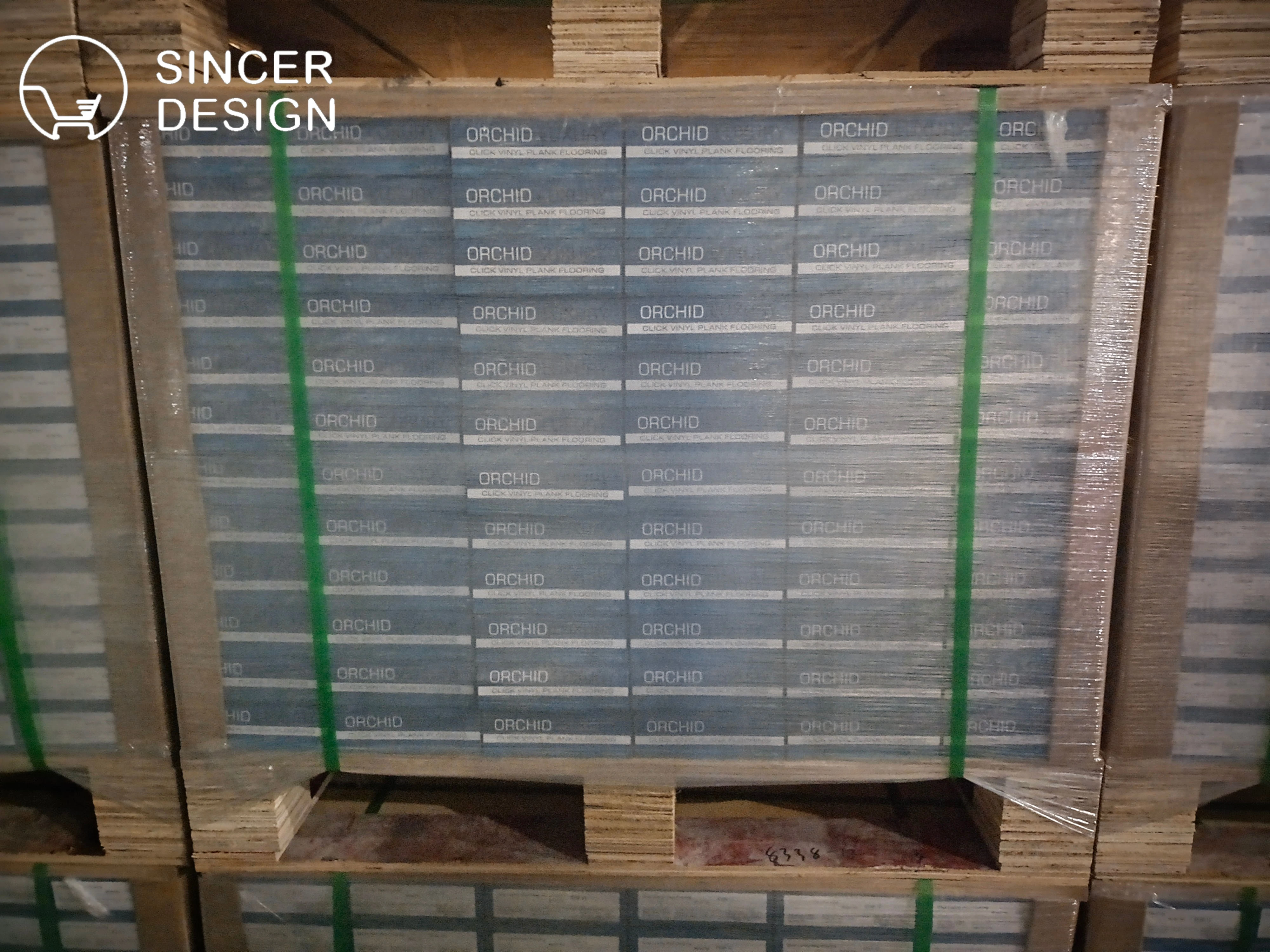
The advantages of LTV flooring include easy installation, simple maintenance, strong waterproof properties, wear resistance, durability, and more. Due to its wide range of styles and texture options, LTV flooring is suitable for various interior decorating styles, seamlessly complementing everything from traditional to modern aesthetics.
In summary, LTV flooring is a practical and stylish flooring choice that is suitable for different environments such as homes, commercial spaces, and more. I hope this article helps you gain a deeper understanding of LTV flooring and its benefits.
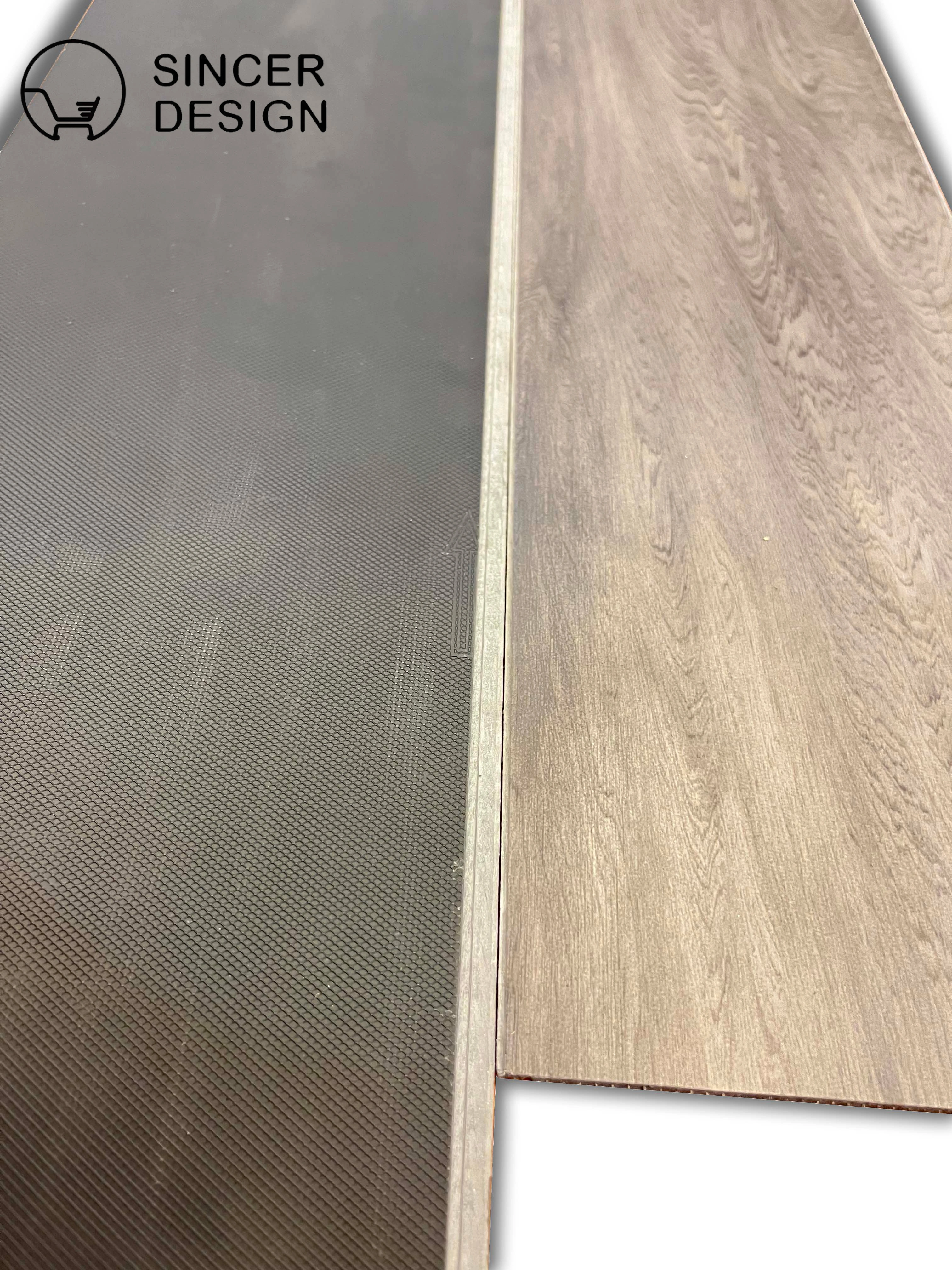
Advantages of LVT Flooring:
1. Environmentally Friendly: The main material used in producing LVT flooring is polyvinyl chloride (PVC), which is an environmentally friendly, non-toxic, and renewable resource, making it eco-friendly without any concerns.
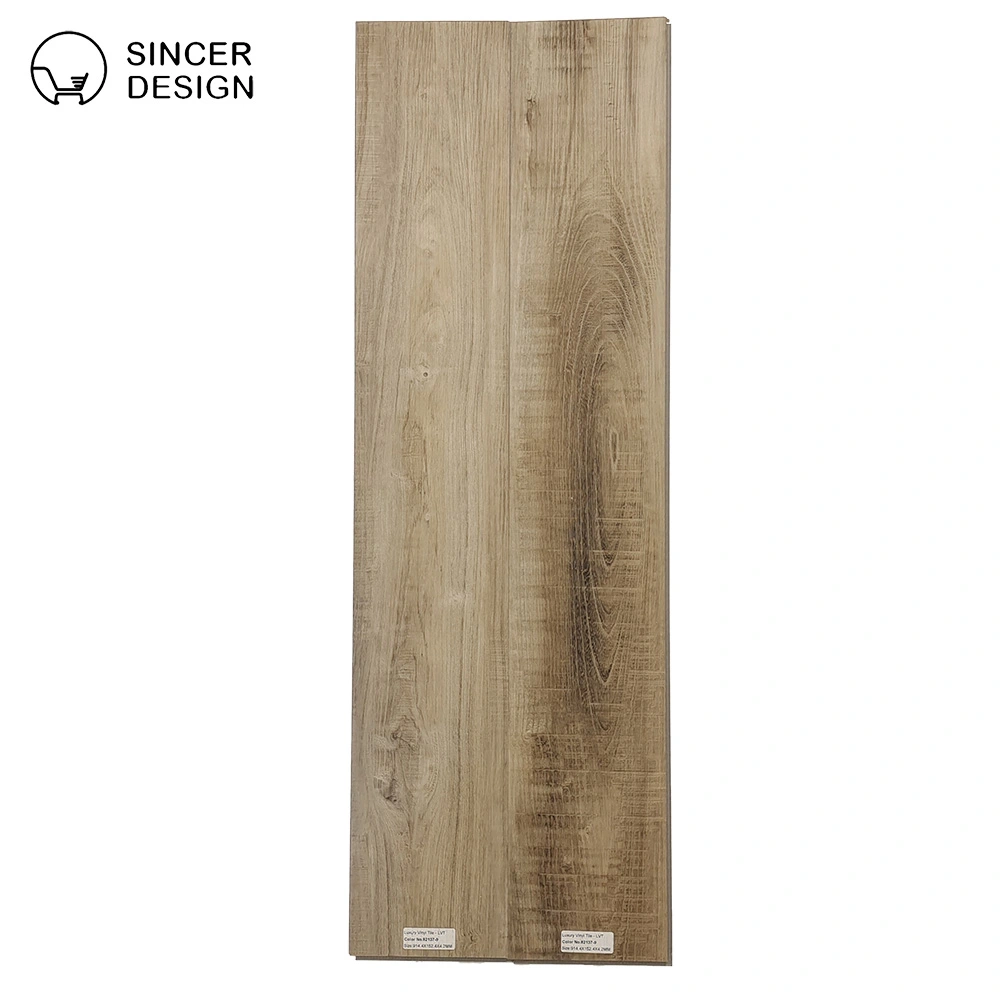
2. Superb Wear Resistance: LVT flooring features a special wear-resistant layer on its surface, with a wear resistance rating of up to 300,000 revolutions. Depending on the thickness of the wear layer, it can typically last 5-10 years under normal conditions.
3. High Elasticity and Superior Impact Resistance: Due to its soft texture, LVT flooring offers excellent elasticity and can recover well from impacts by heavy objects.
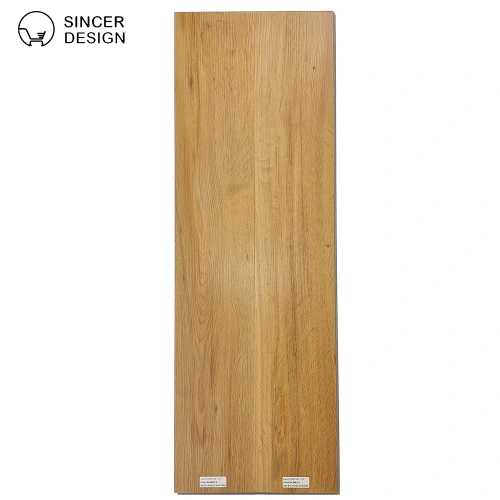
4. Fire Retardant: High-quality LVT flooring can achieve a B1 fire rating, indicating excellent fire resistance performance, second only to natural stone.
5. Easy Maintenance: LVT flooring is easy to maintain; simply wipe the floor with a mop when dirty. To maintain a lasting glossy effect, periodic waxing is sufficient, with maintenance requirements significantly lower than those of laminate flooring.
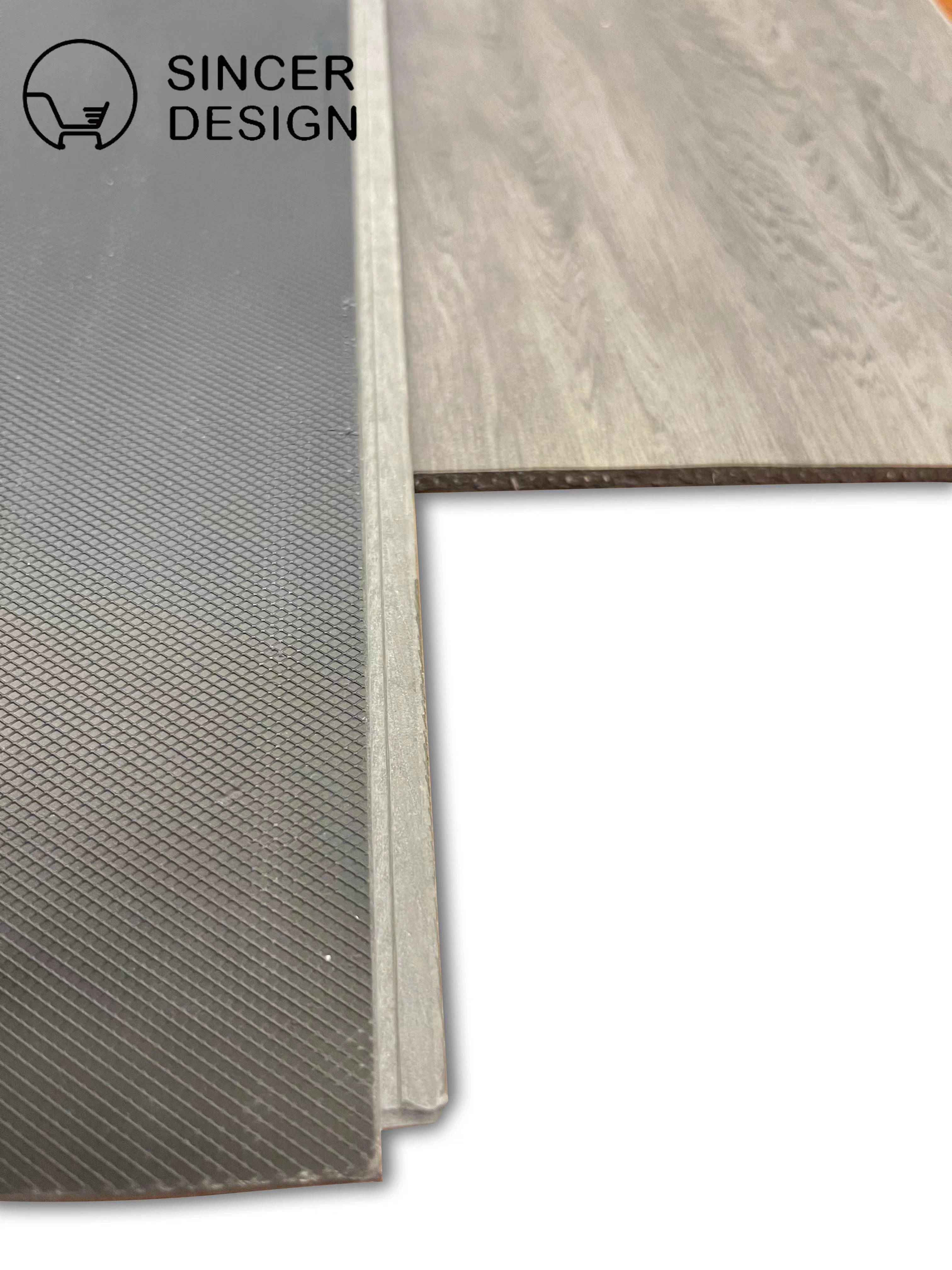
6. Waterproof and Moisture Resistant: LVT flooring, primarily composed of vinyl resin, repels water due to its lack of affinity with water. As long as it is not submerged for extended periods, it remains undamaged and does not succumb to mold growth even in high humidity conditions.