Flooring occupies a significant part of our homes, and during renovations, most people opt for floor tiles to transform their space into a grand and luxurious one. However, we spend hours walking on these tiles every day, subjecting them to substantial wear and tear. The durability of floor tiles is put to the test due to heavy foot traffic.
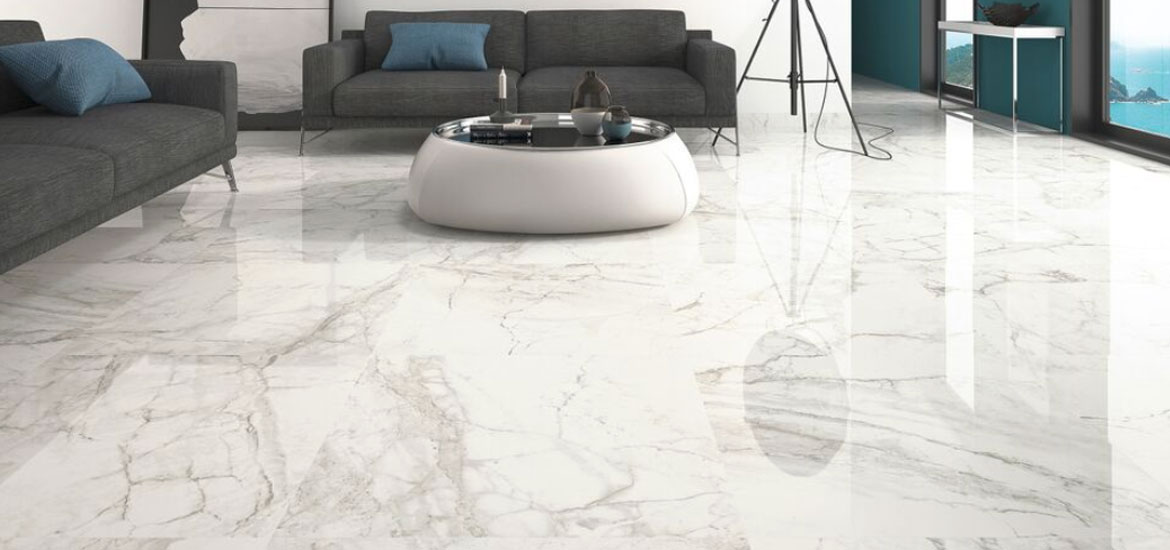
When it comes to renovating the floors in our homes, how can we choose high-quality floor tiles to ensure both longevity and aesthetic appeal? Here are five key tips to consider:
Appearance: Start by evaluating the appearance of the floor tiles. Look for styles with even color and consistent patterns. The surface should be clean, smooth, with no protruding particles, and the edges should be uniform. When purchasing floor tiles, take out a few and compare them to check for issues like color discrepancies, deformation, or damage. If any such problems are present, it's a sign that the quality of these tiles may be subpar.
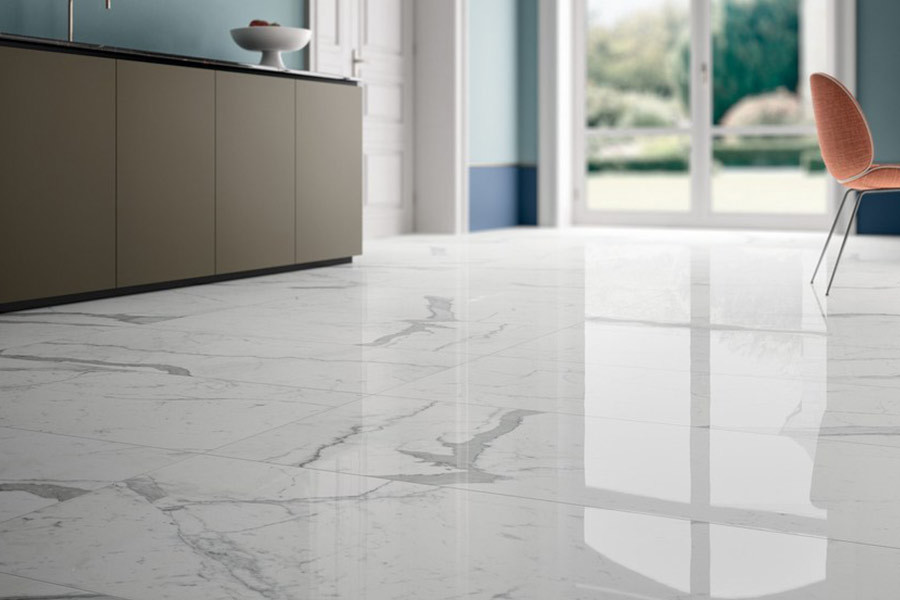
Sound: After selecting a suitable tile style, assess tile quality by listening to the sound it makes. Gently tap the tile with a hard object and listen for a crisp sound. Crisper sounds indicate a higher level of vitrification, which suggests better quality. If the tile produces a dull or muffled sound, despite its visual appeal, it is best to avoid it, as it may have lower quality.
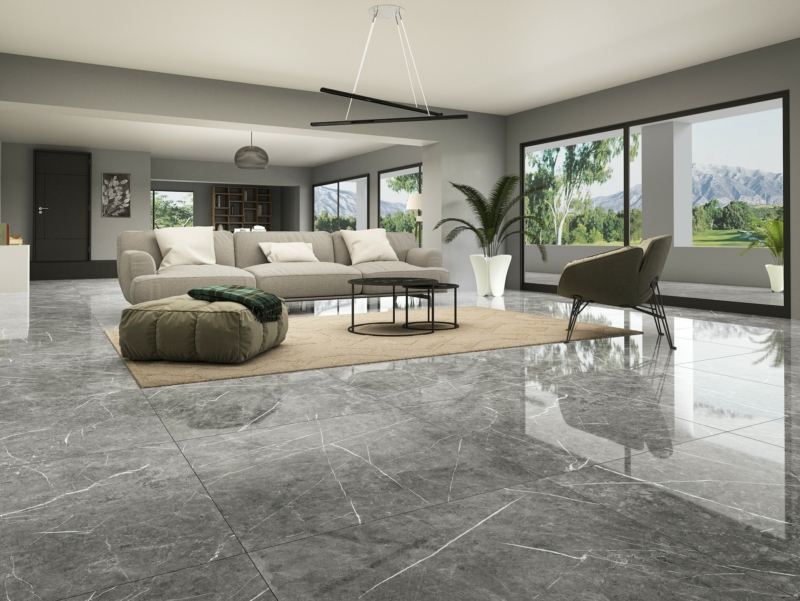
Water Droplets: The water resistance of floor tiles is crucial, as they are used in various areas. When selecting floor tiles, flip one over and drop a few water droplets on the back. Observe how quickly the water spreads and is absorbed. If the absorption is slow, it indicates good density and better quality. If a tile absorbs water rapidly and disperses it easily, it suggests sparse density and lower quality.
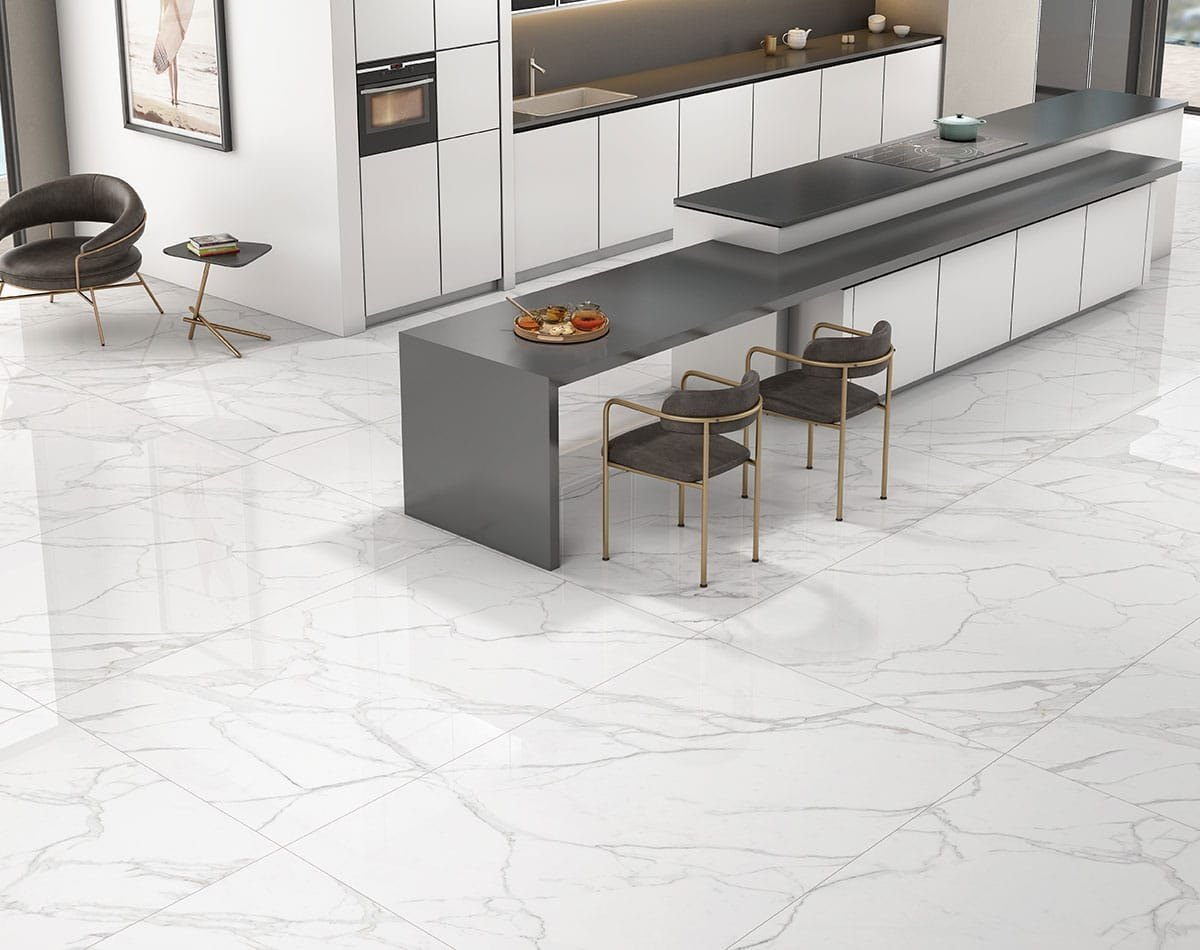
Edge Length Measurement: To achieve a well-tiled floor, accurate measurement of tile edge lengths is essential. Higher precision ensures a perfect tiling job. Measure the edge length, size, and thickness of each tile to ensure uniformity.
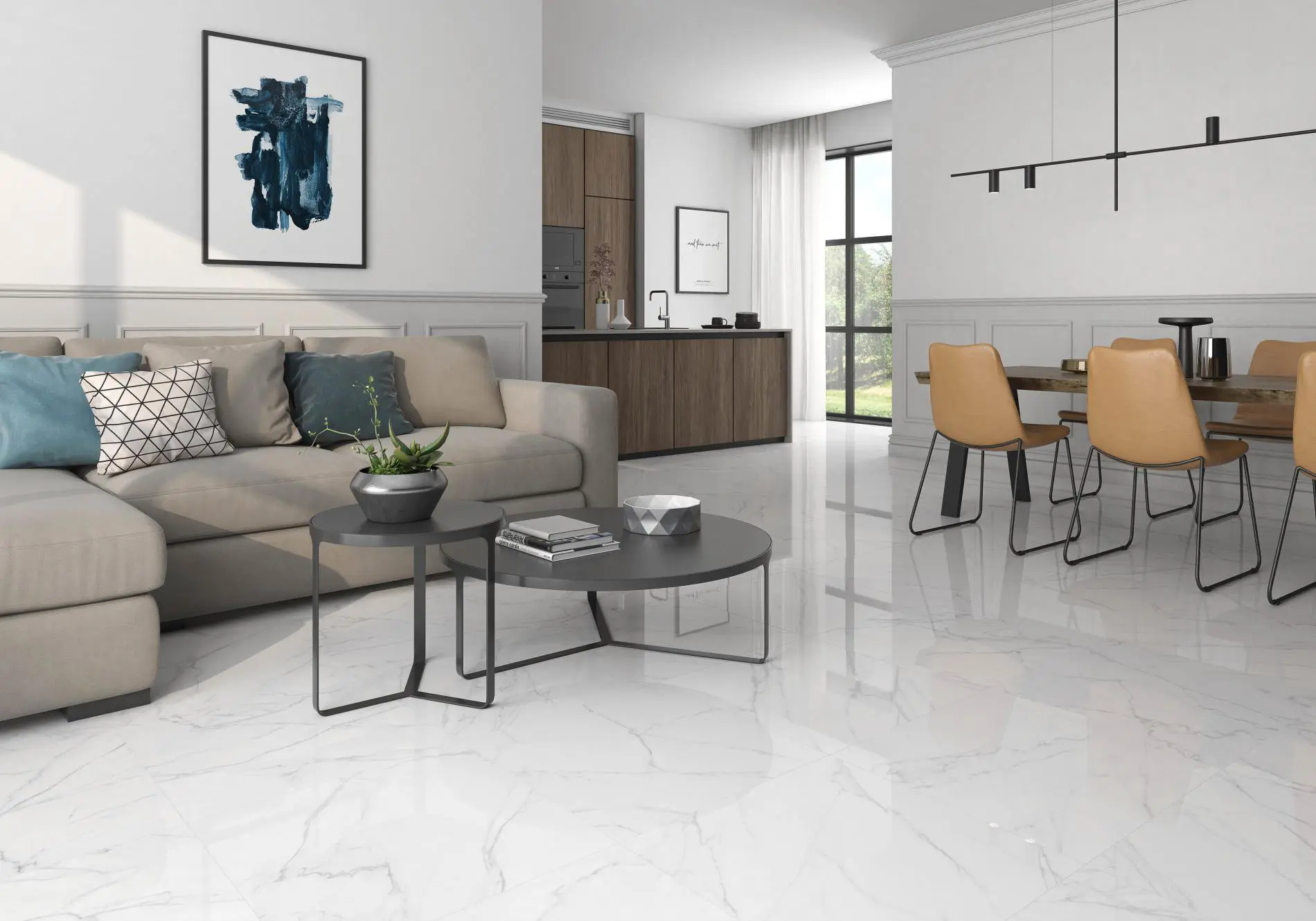
Hardness: Choose tiles with high hardness for extended longevity. Tiles with high hardness, strength, and resistance to breakage are considered high-quality. You can test this by gently colliding two tile edges. Check for scratches or the presence of powder at the breakage point. Tiles that leave scratches are harder, while those that produce powder have lower density and quality. It's crucial to remember that tiles with lower hardness have shorter lifespans and are more susceptible to breakage from minor impacts, making repairs and replacements more complicated.
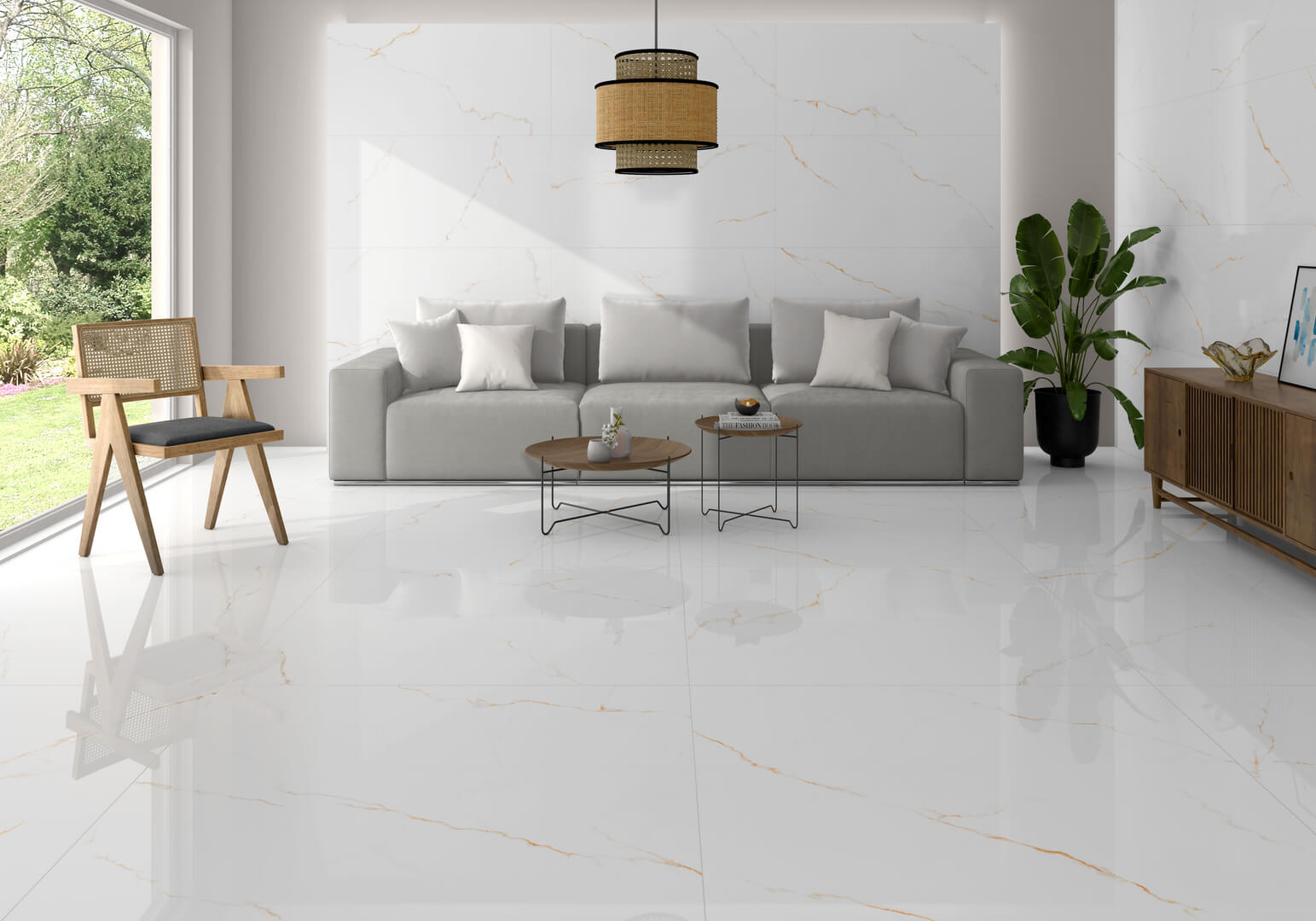
While tiles can add a touch of luxury to your home, especially during the summer when they help cool the indoor environment, it's essential not to walk barefoot on cold tiles during the winter. Doing so can introduce cold drafts and discomfort. It may particularly impact the health of women.